

 01254 828 300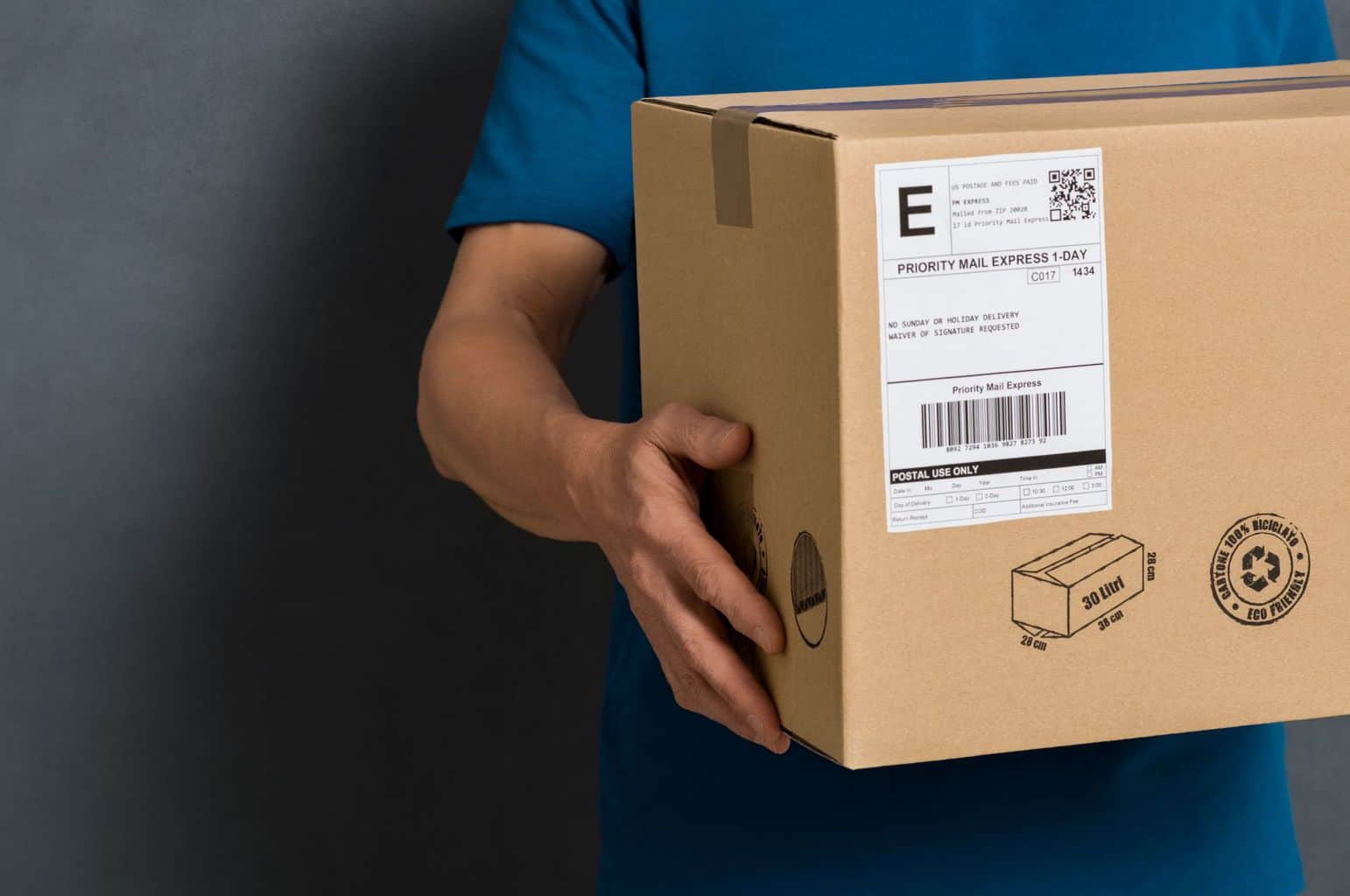
In the wake of many empty high street shop fronts, the Office for National Statistics announced this week that a staggering £1 in every £5 spent by UK customers is done so online. Most of this money is being spent on Amazon – the largest online retailer in the world. In 2017, Amazon payed £4.5 million in tax for UK sales of £1.9 billion and had an operating profit of £79 million. This incredibly low figure has prompted Chancellor Philip Hammond to consider an ‘Amazon tax’ to increase fairness between them and the high street retailers who are currently losing out.
Why are customers preferring to shop on-line? Convenience, speed and possibly price are the main reasons many consumers would cite. Take Amazon for example. It gives customers the ability to shop online and receive orders not only within 24 hours of purchase but within the same day. Amazon charges £79 for the Amazon Prime service which entitles customers to unlimited one day and same day delivery for free. “How is this even possible?” I hear you say! Well, Harry Wallop from The Daily Mail tracked the entire process of the same day delivery placed by Anne Doughty in West Yorkshire and we have tried to give you a little flavour of how it’s done.
MAN1 is one in 17 of Amazon’s warehouses in the UK and is located in Manchester, sixty-five miles away from Anne’s home. This warehouse cost Amazon £919,370 in their business rates bill in 2017 and offered over 1,000 jobs to people in the local community, as pointed out by the General Manager. Being near the M56 and M6, it aids the company in their rapid delivery service.
Once, Anne has clicked ‘buy it now’ the system works out the location of the customer, which warehouse has the item in stock and the fastest course between them.
At the warehouse, items are located randomly in specific storage units with cubby holes known as ‘pods’. A robot collects the pod containing the order by using a hydraulic lift to bring it to ‘picker’ staff. These robots cost more than £10,000 each and outnumber staff by 800. They move like pieces on a chess board.
The order is then removed from the pod and scanned by the picker and placed in a tote to be packaged. A picker will pick items at roughly 3 per minute whilst wearing safety gloves to avoid injury from sharp objects.
The tote containing the order reaches the packaging area via a conveyor belt where it is removed and the barcode is scanned. The screen at the packaging station communicates the correct cardboard box or envelope that is required. The label with a second barcode is printed, attached to the parcel and scanned before being placed on a second conveyor belt. Further on, a label with the name and address of the customer is attached and scanned before heading down a chute into one of 90 different large cardboard boxes known as a ‘gaylord’, named after their creator the Gaylord Container Corporation. Each gaylord is intended to reach a different delivery station in the UK.