

 01254 828 300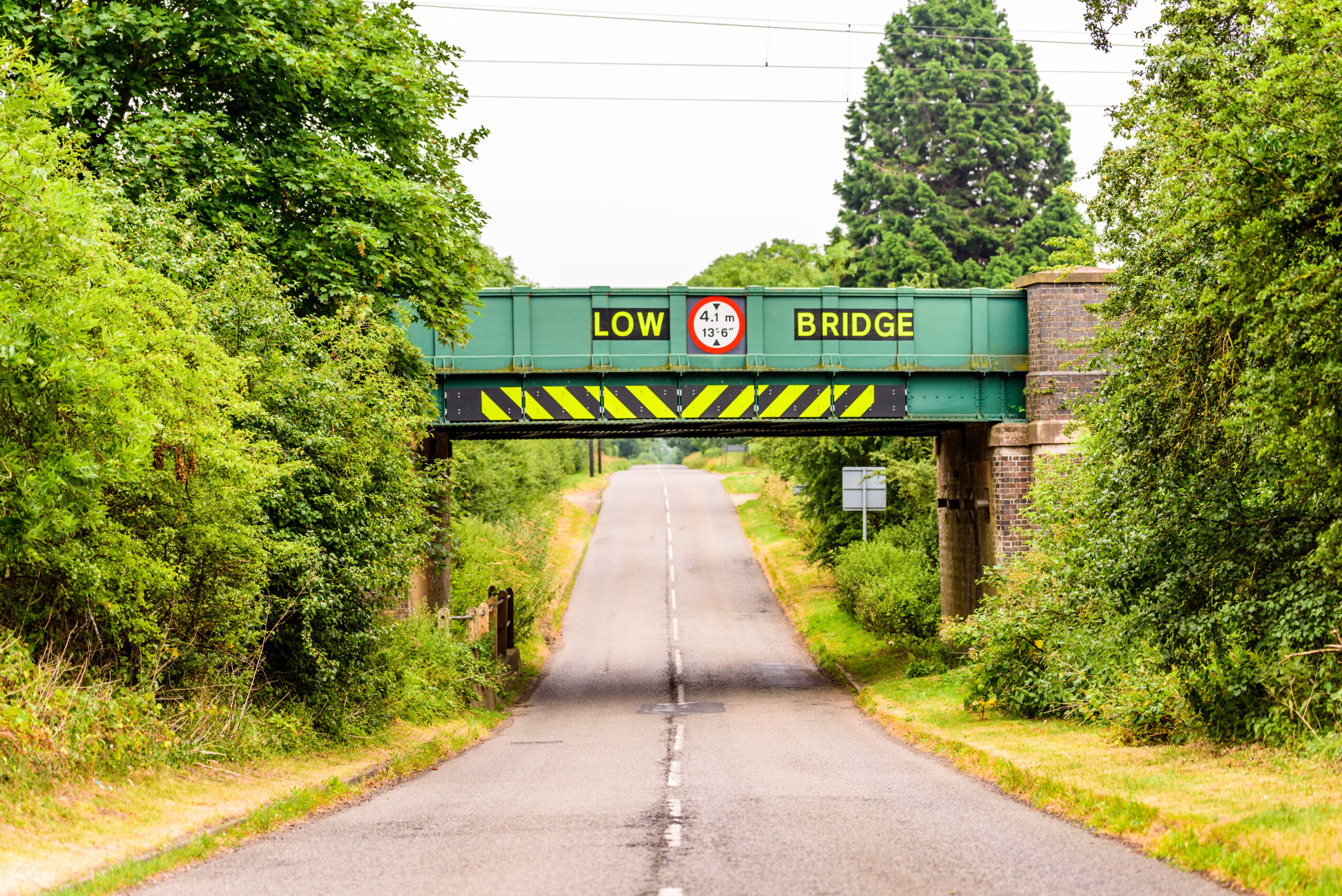
Recent comments from the Traffic Commissioner serve as a reminder that bridge strikes remain firmly on the regulatory radar.
Why bridge strikes matter to operators
From a regulatory perspective, a bridge strike is rarely viewed in isolation.
Traffic Commissioners will often look beyond the incident itself to assess whether there has been a failure in:
- Driver training and instruction
- Route planning systems
- Vehicle height awareness procedures
- Overall transport management
Potential consequences
Operators involved in bridge strikes may face:
- Public Inquiry proceedings
- Licence curtailment, suspension or revocation
- Findings against transport managers
- Driver conduct hearings and disqualification
Alongside regulatory action, there is often significant financial exposure, reputational damage, and operational disruption.
A preventable compliance failure
In many cases, bridge strikes are avoidable. Repeated incidents, in particular, can be seen as evidence of systemic failings rather than isolated mistakes.
The expectation from the Traffic Commissioner is clear: operators must have robust, demonstrable systems in place to mitigate risk.
How we can help
At Backhouse Jones, we regularly advise and represent operators facing:
- Public Inquiries following bridge strikes
- DVSA investigations
- Compliance reviews and risk mitigation
- Driver and transport manager regulatory proceedings
Early advice can make a significant difference to the outcome.
We also provide bite-sized training, including our ‘Bridge Strikes & Your Operator’s Licence’ course, to support operators, transport managers, and drivers in strengthening compliance and improving day-to-day practices. Explore our training courses.
Get in touch
If you are dealing with a bridge strike, or want to review your compliance systems before issues arise, our team can help.
Call us on 01254 828300 or complete our online enquiry form and a member of the team will contact you.